

Access Panels & Inspection Doors: Complete Guide
A complete guide to access panels and inspection doors, including types, materials, applications and how to choose the right solution for residential, commercial and industrial projects.
Access panels, also known as inspection doors or access hatches, are essential components in modern construction and building maintenance. They provide safe, convenient access to concealed services such as electrical systems, plumbing, HVAC installations, and data infrastructure.
Whether used in residential, commercial, or industrial environments, access panels play a key role in ensuring maintenance efficiency, safety, and long-term functionality.
Access panels are specially designed openings installed in walls, ceilings, or floors to allow access to hidden building services. They are typically flush-mounted to maintain a clean and professional appearance while providing easy access when required.
Modern access panels are engineered for durability, security, and ease of installation, making them a standard solution in both new builds and refurbishment projects.
Choosing the right type of access panel depends on the level of security, frequency of access, and installation environment.
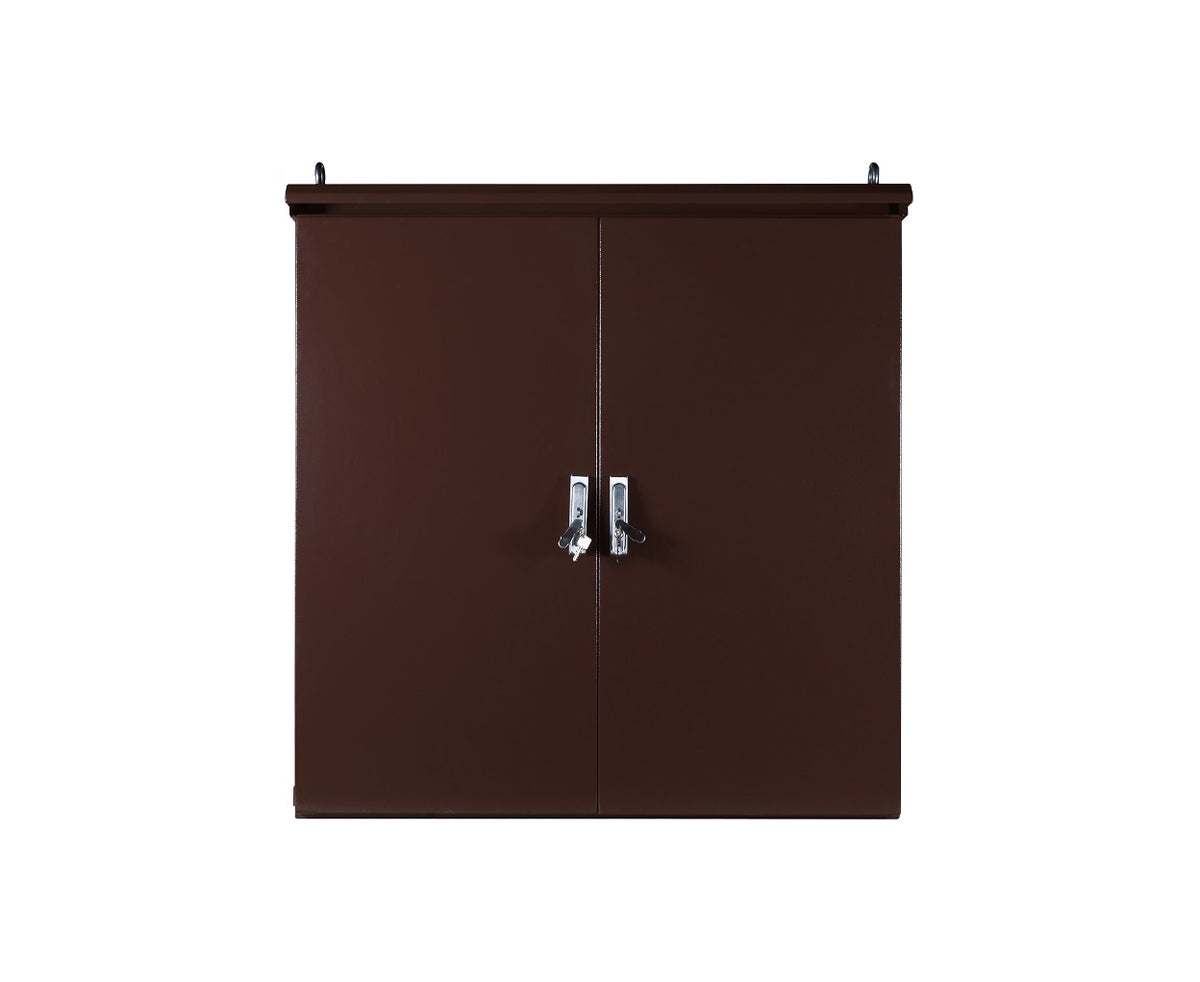
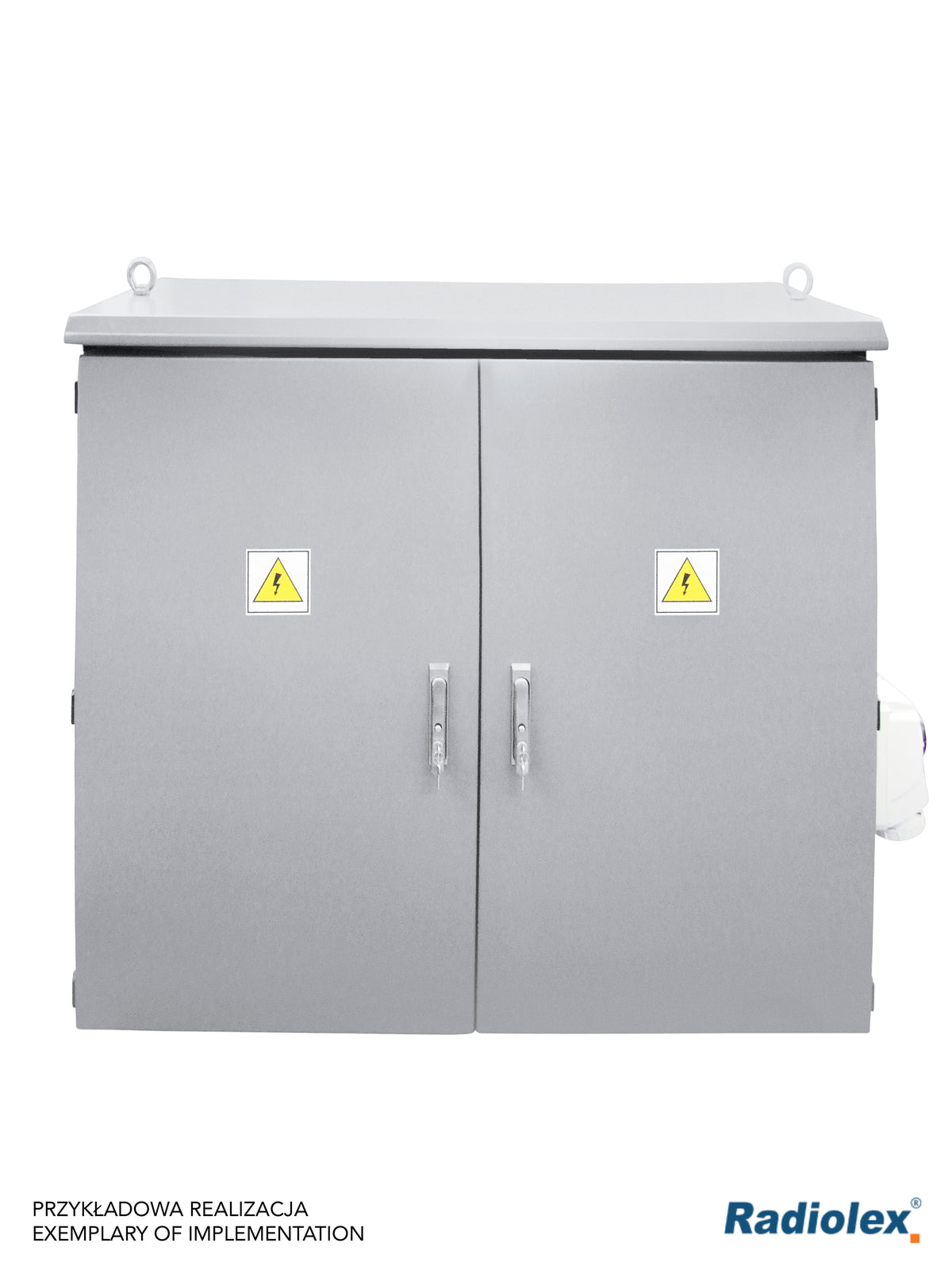
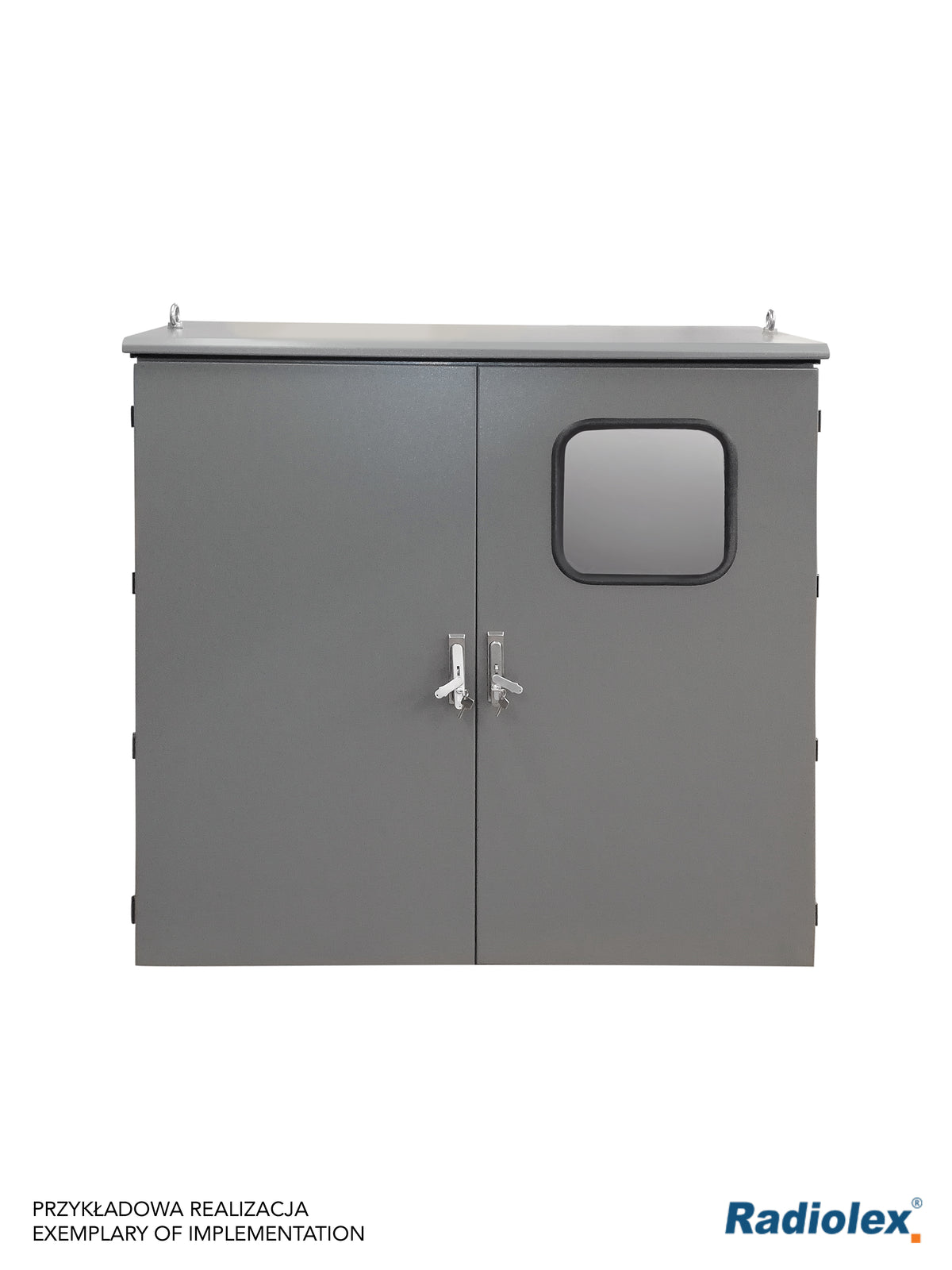
Lockable access panels are designed for applications where security is essential. They feature a key lock mechanism that prevents unauthorised access to critical systems such as electrical installations or control equipment.
These panels are widely used in commercial buildings, plant rooms, and service areas.
Triangle lock access panels are commonly used in utility and maintenance environments. They provide controlled access using a standard triangle key, making them ideal for service engineers and authorised personnel.
They are a popular choice for public buildings and technical installations.
Push-to-open access panels offer a clean, minimalist design with no visible lock. They are opened with a simple push mechanism, making them ideal for modern interiors where aesthetics are important.
These panels are often used in residential spaces and architectural projects.
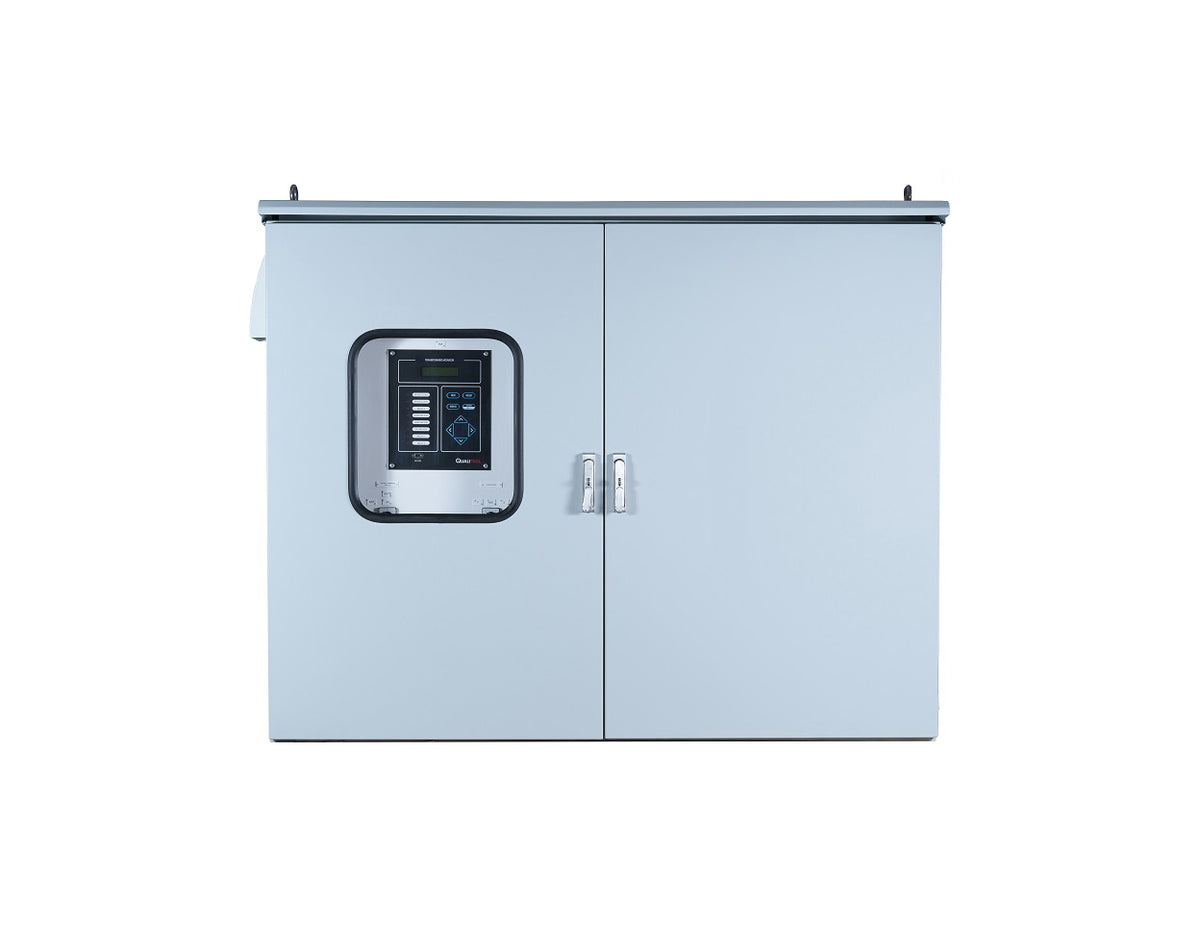
Stainless steel insulated access panels are designed for demanding environments. Manufactured from high-grade stainless steel and fitted with insulation, they provide excellent resistance to moisture, corrosion, and temperature changes.
They are ideal for external applications, industrial sites, and environments where durability is critical.
Access panels are available in a range of materials to suit different applications:
- Powder-coated steel (white or anthracite grey)
- Stainless steel (including AISI 316L for external use)
The choice of material depends on environmental conditions, required durability, and aesthetic preferences.
Access panels are used across a wide range of applications, including:
- Electrical and data installations
- Plumbing and valve access
- HVAC systems
- Maintenance and service points
- Commercial and residential interiors
- External walls and exposed environments
Their versatility makes them an essential component in almost every building type.
When selecting an access panel, consider the following factors:
- Location – internal or external use
- Security level – lockable, triangle lock, or push-to-open
- Material – steel or stainless steel
- Environment – exposure to moisture, temperature, or corrosion
- Size requirements – based on access needs
Choosing the right access panel ensures long-term reliability and ease of maintenance.
High-quality access panels provide:
- Long service life
- Reliable access to building systems
- Improved safety and security
- Clean and professional installation finish
For professional projects, investing in well-engineered access panels ensures better performance and reduced maintenance issues over time.
Access panels and inspection doors are a vital part of modern construction and maintenance. With a range of options including lockable, triangle lock, push-to-open, and stainless steel insulated panels, it is possible to find the right solution for any application.
By selecting the appropriate type, material, and design, you can ensure safe, efficient, and long-lasting access to essential building services.